CHURCH OF SAINT STEFAN
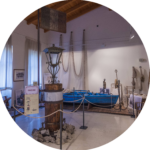
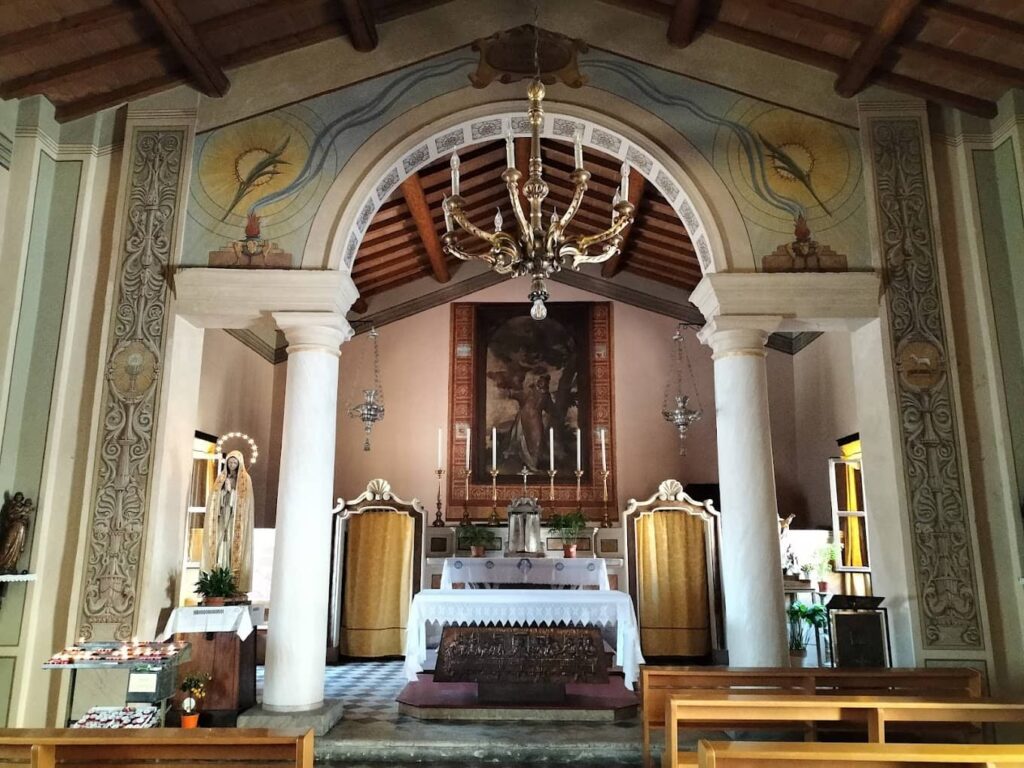
To reach it, one walks toward the Eastern Gate of Garda, and crossing the bridge over the Gusa stream here is the small church named after St. Stephen.
Inside, in the only hall in which the space takes shape, one can admire a 16th-century painting by Paolo Farinati, depicting the Martyrdom of St. Stephen. The work was commissioned by Abbot Annibale Fregoso, of the noble family of Genoese origin.
PARISH CHURCH OF SANTA MARIA MAGGIORE AND ITS CLOISTERS
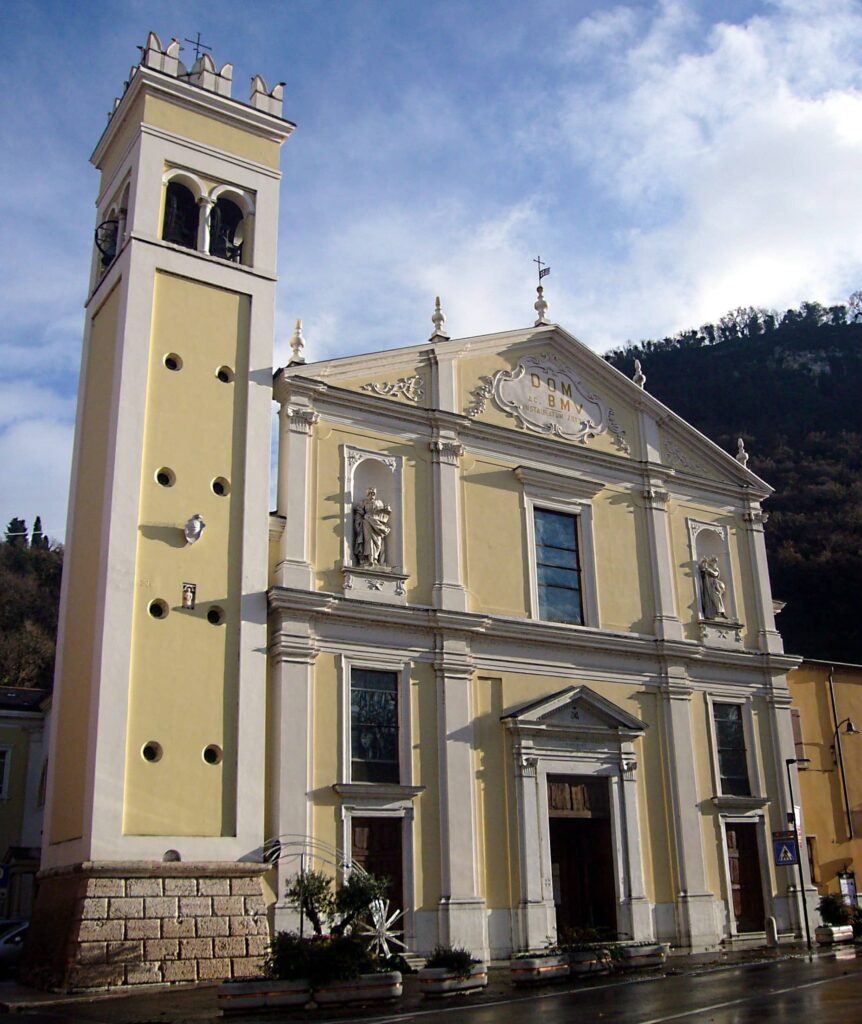
On the slopes of the Rocca di Garda, in the heart of the Borgo is the parish church, dedicated to Santa Maria Maggiore. Its history has early Christian roots, perhaps from the Lombard period, of which a striking fragment remains with the symbols of the peacock, wheat and grapes.
Today we see it in its 18th-century guise, except for the rectory house and cloister, a place of silence and recollection, built in the 15th century, followed by the bell tower, erected in 1571.
Crossing the entrance, one admires an ancient marble plaque on which one can read the “bull” with which Pope Innocent II, in 1138, tried to settle a dispute between the parishes of Cisano and Garda. By a talented but as yet unknown painter is the Baroque altarpiece, while the altarpiece of the Annunziata is by Francesco Paglia (1635-1714) from Brescia, a schoolboy of Guercino.
True treasures are the confessionals created by Andrea Brustolon (1662-1732), a leading figure of Venetian Baroque whom Honoré de Balzac had christened no less than the “Michelangelo of wood.”
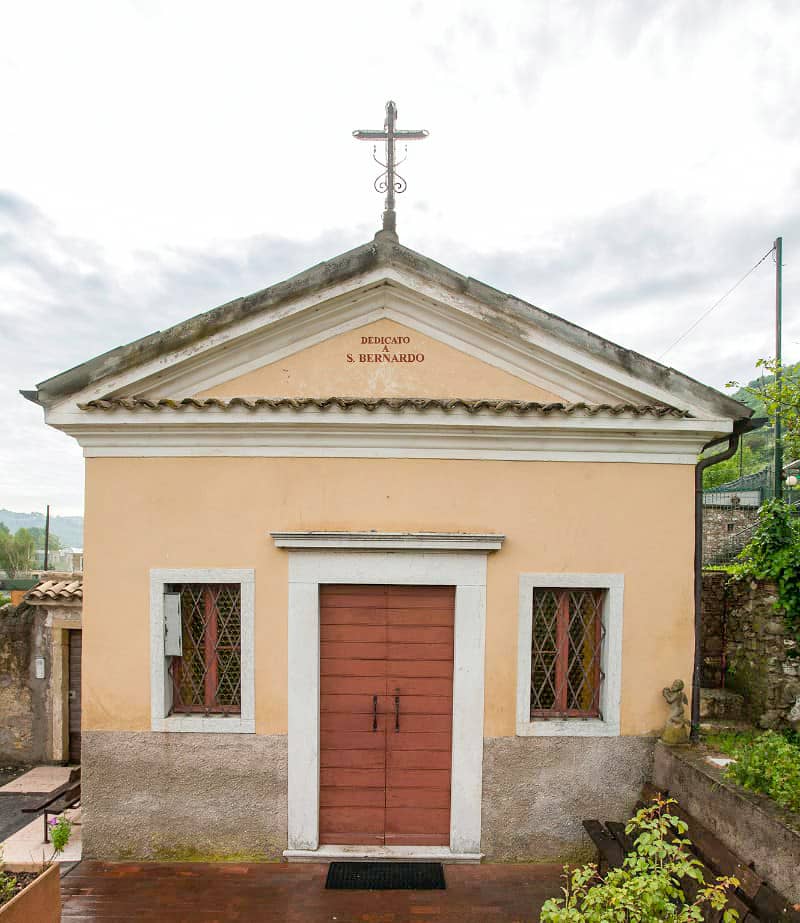
CHIESA IN SAN BERNARDO
Inland from Garda, in the Risàre area, a must-see is the small, simple, country church of San Bernardo, possibly dating from the 14th century. The little church is in the heart of Garda fishermen, who venerate as their patron St. Bernard, a French monk of the Cistercian order who lived in the 12th century. The ancient festival of St. Bernard, held annually for three days around August 20, demonstrates the continuing devotion of today’s Gardesans to the saint.
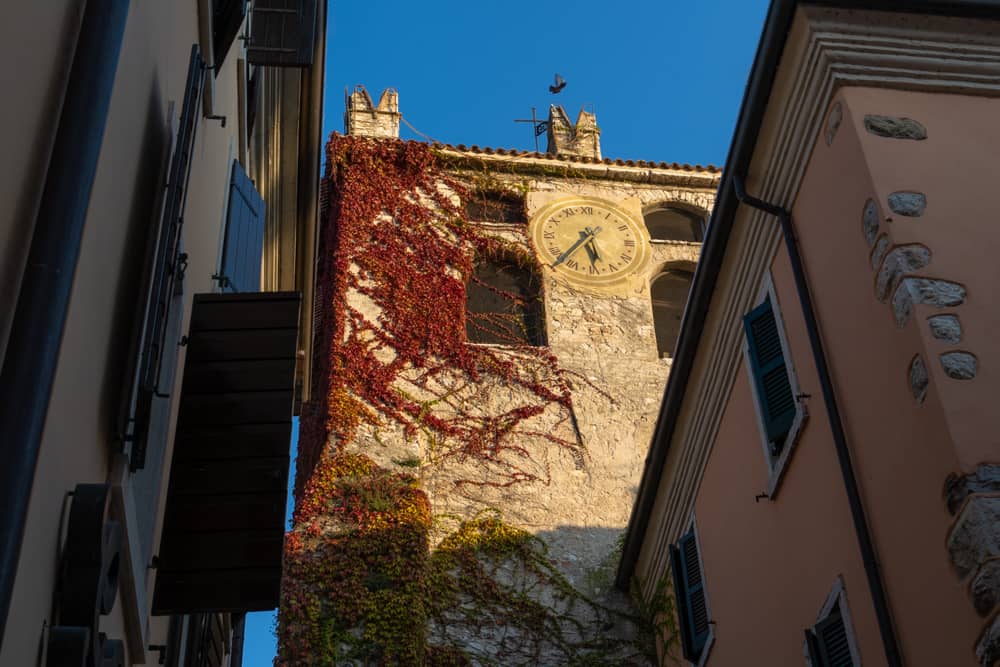
CARLOTTI PALACE AND EASTERN GATE, CLOCK TOWER AND LOSA
An elegant 16th-century palace, designed by Michele Sanmicheli and dominated by the tower that rises above the eastern gate, among the most striking of the ancient entrances to Garda’s historic heart. Palazzo Carlotti tells much about Garda’s history. First owned by the Carlotti family and then by the Pompei family, the palace stretches to the lakefront, where it ends with a graceful belvedere loggia, loggia or rather “Lòsa.” However, its particular architecture has a reason: it was originally built to fill the role of a small dock and for this reason on the ground floor it has a large vaulted portico, while on the upper floor, which is more protected from the waters of Lake Garda, one can overlook it from a belvedere loggia.
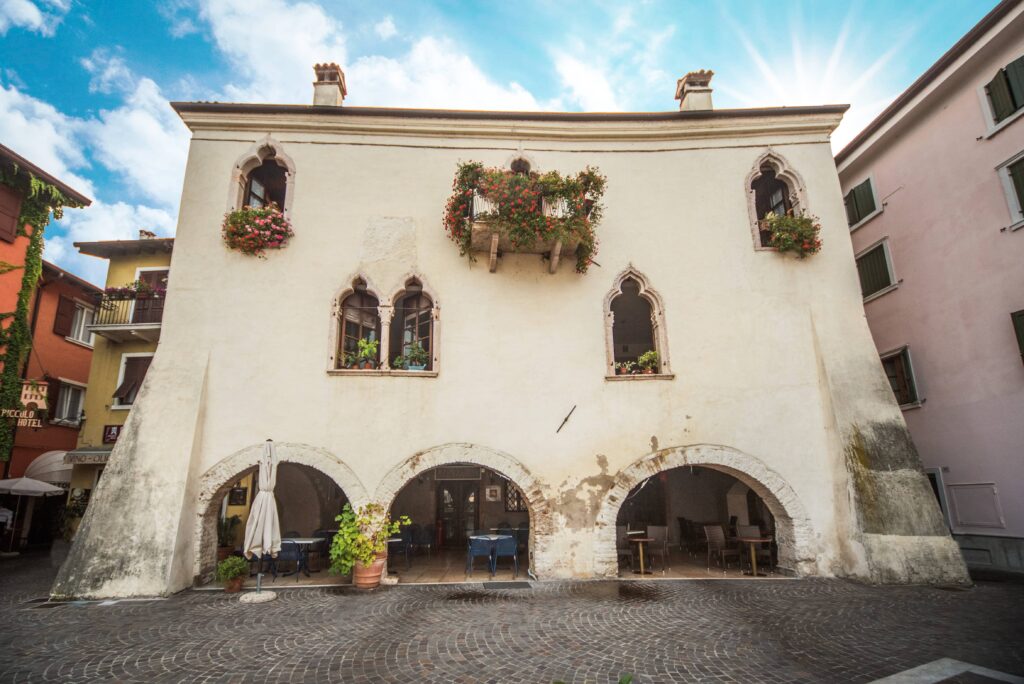
CAPTAINS PALACE
Behind Garda’s small harbor rises the ancient Captains’ Palace, which was once reflected in the waters of Garda’s marina. Now the harbor is just beyond, and where boats used to moor and goods were unloaded, tourists can now pause in the pleasant Catullus Square.
The architectural references of the palace are to Venice, to the Gothic-Venetian style. This is suggested more than anything else by the shape and appearance of the windows.
Its construction dates back to the 14th-15th centuries and was probably the home of the Carlotti nobles, feudal lords of Garda, and in this palace according to tradition also resided some of the Captains of the Lake, magistrates representing Venice, charged with maintaining security over the entire Lake Garda, fighting piracy and smuggling.
THE OLD PORT
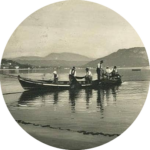
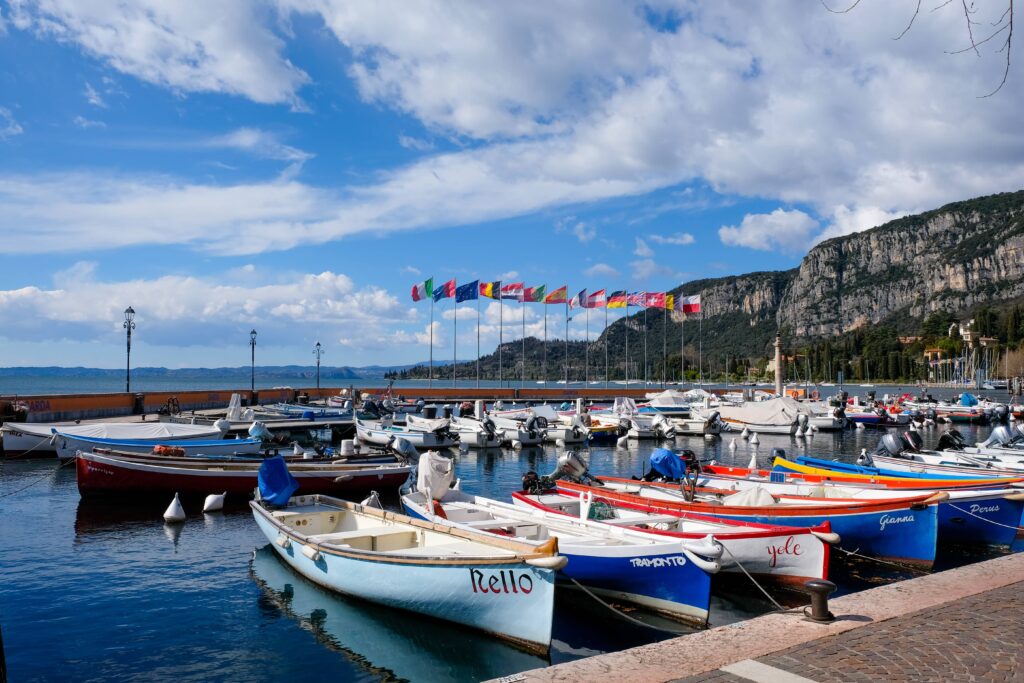
The harbor is the vibrant center of lake Garda. Pleasure boats beckon there, but also many fishing boats–for this is where the history of Garda fishing was made, and this is where the last Benaco cooperative is located, inheriting a fascinating history, to say the least.
In 1452 the fishermen of Garda, Torri and Sirmione – united in the fishing guild of the Originari – bought from the Counts Becelli of Costermano the rights to the San Vigilio fishpond, which included some of the most fishy areas of Garda: the shores along the coast between the border with Bardolino and the castle of Torri and the shoals of Mon Varàna and Vò, the summits of two real underwater mountains, from which shad and carp passed.
Today as half a millennium ago, the San Vigilio fishpond is divided between the two remaining guilds, from Garda and Torri. And every year, on August 15 in Torri and August 20, in Garda the auction is fought with the redistribution of quotas. Folklore, history and a sense of belonging are intertwined, like a net cast into the water.
FREGOSO PALACE
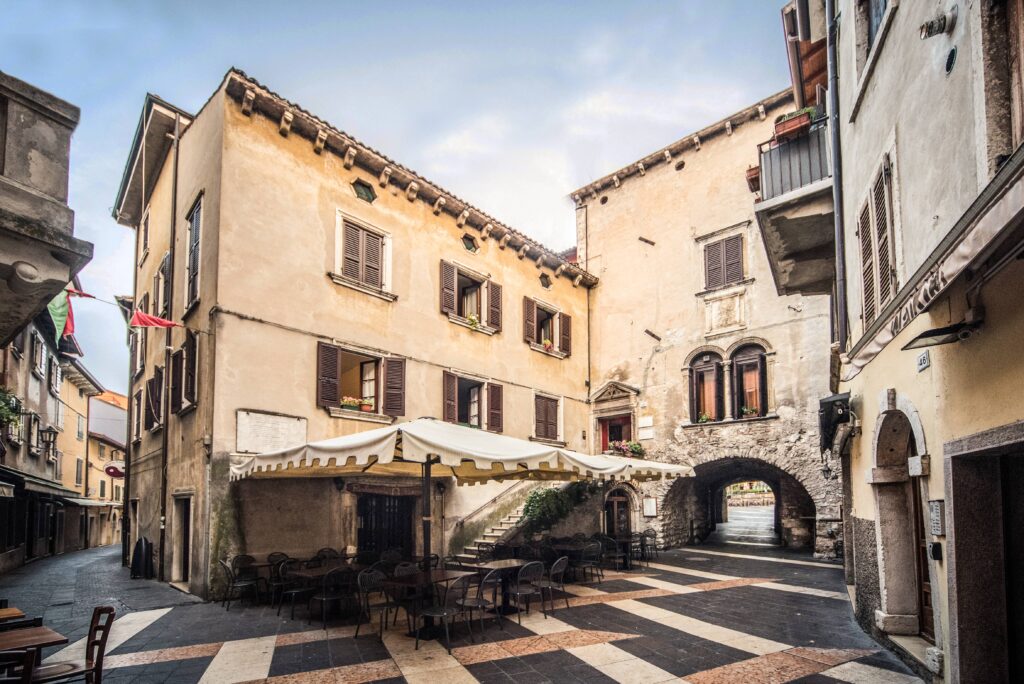
In the heart of the old town, near the western gate of San Giovanni, is a 16th-century palace. This building belonged to Cesare Fregoso, a Genoese diplomat and general in the service of the Serenissima. Cesare Fregoso, who was lieutenant in Italy for King Francis I of France, lived in this palace from 1529 to 1536 together with his secretary, Matteo Bandello (1485-1561), considered by some scholars to be the most important novelist of the Renaissance.
Bandello is said to have written a version of the story of Romeo and Juliet here, which later inspired William Shakespeare.
ALBERTINI VILLA
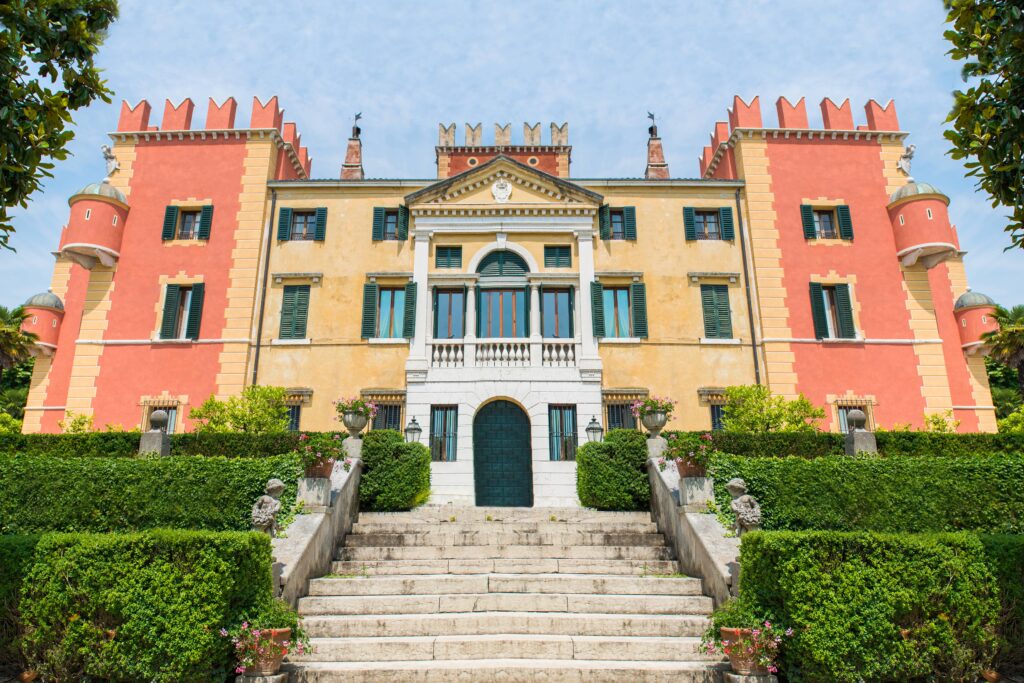
You have to go just outside the historic center, alongside the Gardesana road, toward Torri, to find the Becelli-Albertini villa, rebuilt in the early 18th century by the Tuscan Albertini family.
The villa, characterized by a classical facade that contrasts with the severe forms of a medieval castle, is preceded by a wide avenue flanked by two walls of tall magnolia trees, planted in 1843.Here on June 11, 1848, King Carlo Alberto of Piedmont received the Lombard delegation led by Gabrio Casati with the act of annexation of Lombardy to Piedmont. The villa is a private residence and cannot be visited.
Of great interest is the Albertini Park, full of ancient trees and enclosed within crenellated walls. It was designed by architect Francesco Ronzani, from whose ingenuity came the design of the villa itself. One project envisions the upcoming opening of the park to visitors.
VILLA CANOSSA
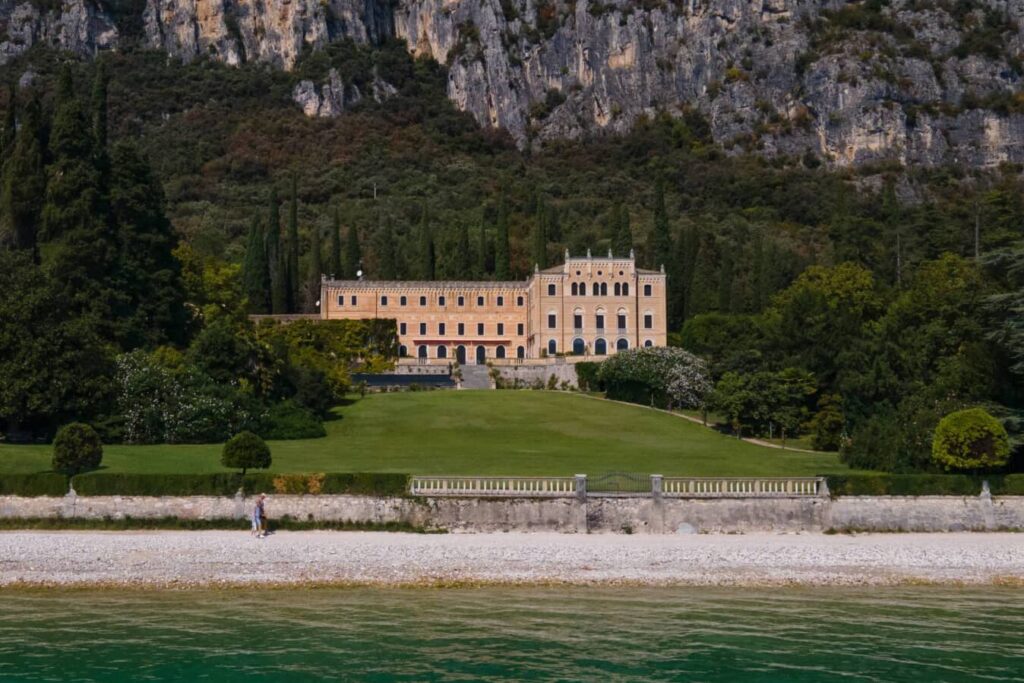
At the turn of San Vigilio, a one-kilometer stroll along the lakefront is enough to admire overlooking the Corno beach the Villa Carlotti-Canossa. Erected in the 1700s on an ancient Roman settlement, sheltered to the north by the imposing Sénge wall, it stands out among the evergreen thickets of holm oaks. The villa overlooks the lake and reaches it with a large lawn, while a park gains the first slopes of the mountain behind it. And like a set from a romance novel, the troubled love affair between the poet Gabriele D’Annunzio and the Marquise Alessandra di Rudinì was consummated here. Seduced and abandoned by the Vate, the unfortunate woman locked herself away in a Carmelite convent in France, where she died in 1931, when the villa passed to the Canossa family. The villa is private and cannot be visited.
SAN VIGILIO, THE HARBOR AND THE INN
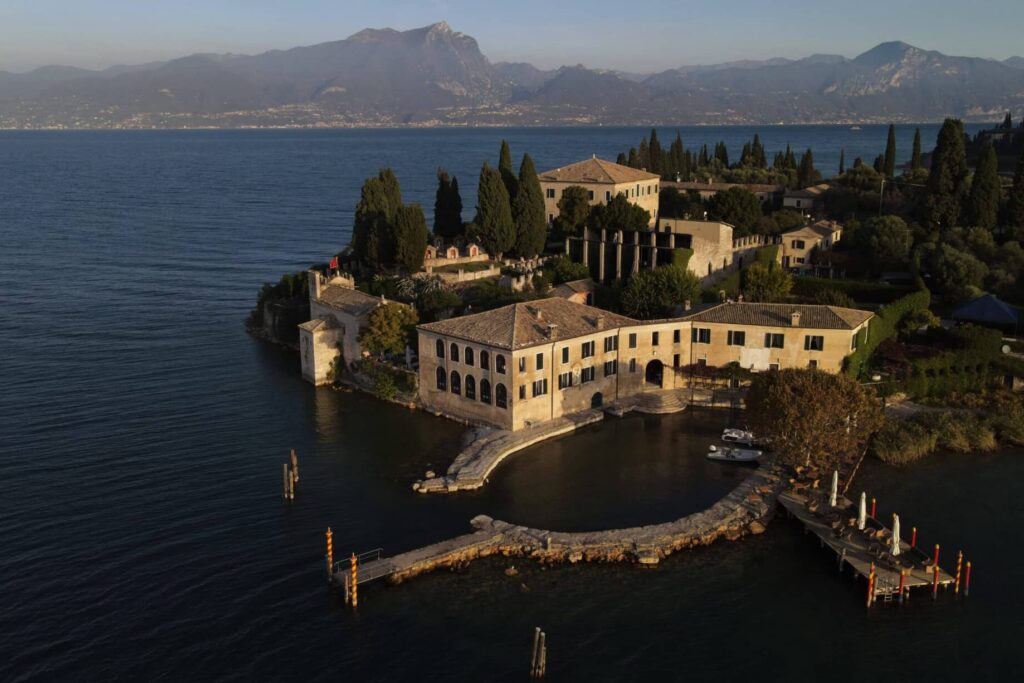
The promontory, the Bay of Sirens, the elegance of Villa Guarienti, the small church, the historic inn, the small harbor, and the Park. San Vigilio is a dream place, one of the icons of Garda’s beauty.
The Villa Guarienti was built in the mid-16th century by the nobleman Agostino Brenzoni. And the mansion is the one that best expresses, on the Veronese coast, a humanistic model with the exaltation of nature and the predilection for secluded places.
Harmony, measure, beauty are the constants in the architecture, in the belvedere rotunda, in the wonderful park adorned with Renaissance statues. Outside stretches a splendid olive grove that fades into the bush, covering the last offshoots of Mount Baldo.
Going down the cobblestone street here is the small harbor, a perfect spot for a memorable photo op and for many sets capturing fairytale weddings.
Embracing the small harbor is the Locanda San Vigilio. Winston Churchill and Maria Luigia Duchess of Parma, the King of Naples, Emperor Alexander I of Russia, Otto Hahn and wife, painter Edith Junghans, Vivien Leigh, Laurence Olivier stayed here. And the list of guests would be very long.
THE LITTLE CHURCH OF SAN VIGILIO
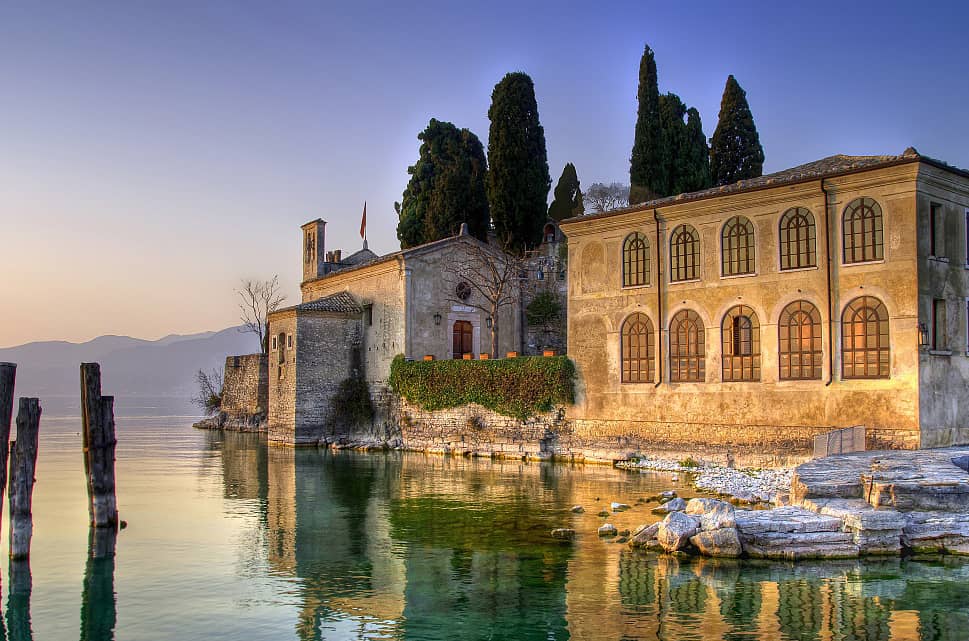
Pertaining to the Guarienti villa is the small church, belonging to the Guarienti counts of Brenzone and dedicated to St. Vigilius, lapped by the waters of the lake. Looking at it carefully in a niche carved into the facade facing the lake is a small statue. It is St. John of Nepomuk, the Bohemian saint who was the protector of sailors and whose cult was spread on Lake Garda in the time of the Habsburgs. And to add to the historical charm of the place, it seems that Pisanello, an established 15th-century painter, was born here.
ROCK CARVINGS
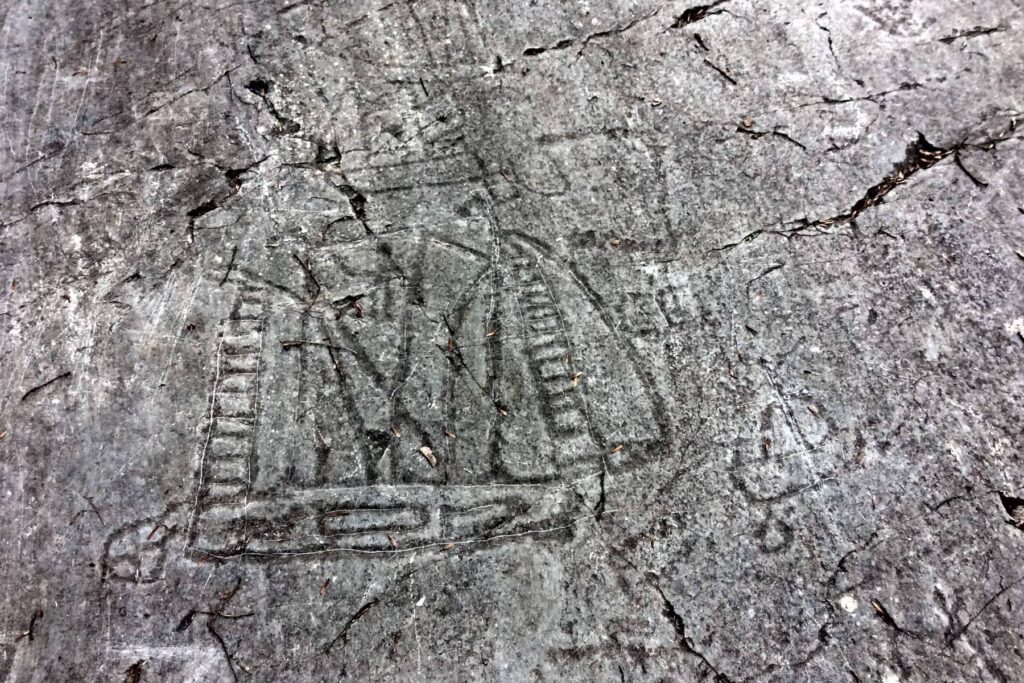
Along the paths up from San Vigilio to Monte Luppia, it is possible to discover rock engravings. Attributed to different eras, they can be found throughout the middle and upper Lake Veronese, but the greatest concentration, with the most interesting depictions of the life of the lake’s ancestors, can be found right here on the border between the municipalities of Garda and Torri. The smooth, polished nature of the rocks proved to be a perfect canvas for the people who lived here between the 13th and 7th centuries before Christ. Thus more than 3,000 depictions of stories of weapons and warriors on more than 250 rocks still reveal themselves distinctly to our eyes.
THE FORTRESS OF GARDA
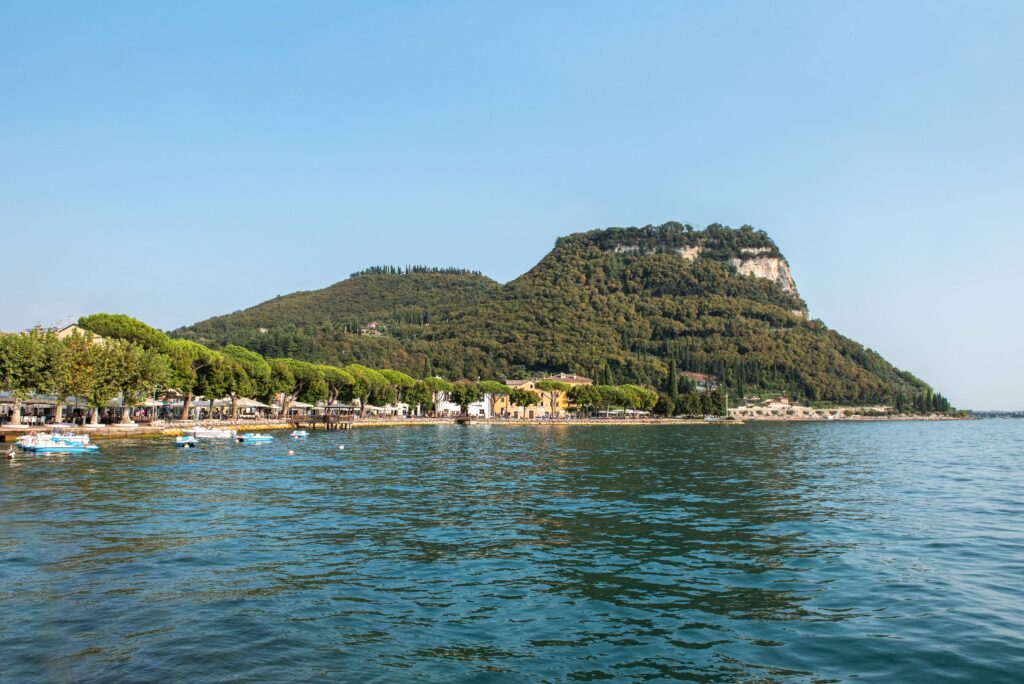
In ancient times Garda looked down on the lake from the fortifications used by the Goths, Lombards, Franks, and Ottomans in the Holy Roman Germanic Empire. That was the “warda,” the guard, the perfect place to guard against the enemy. Warda, Garda, by which Benaco was renamed around the year 1000.
Around the middle of the 10th century, Queen Adelaide, widow of Lothair, was perhaps held captive in the Rocca by the thugs of Berengar II. The woman, however, with the help of a friar and a handmaiden, managed to escape and cross the lake to Canossa, where she met the future emperor Otto I, who would become her husband. From the 12th century the slow decline began, and today traces of a thousand-year history remain.
I CANEVINI
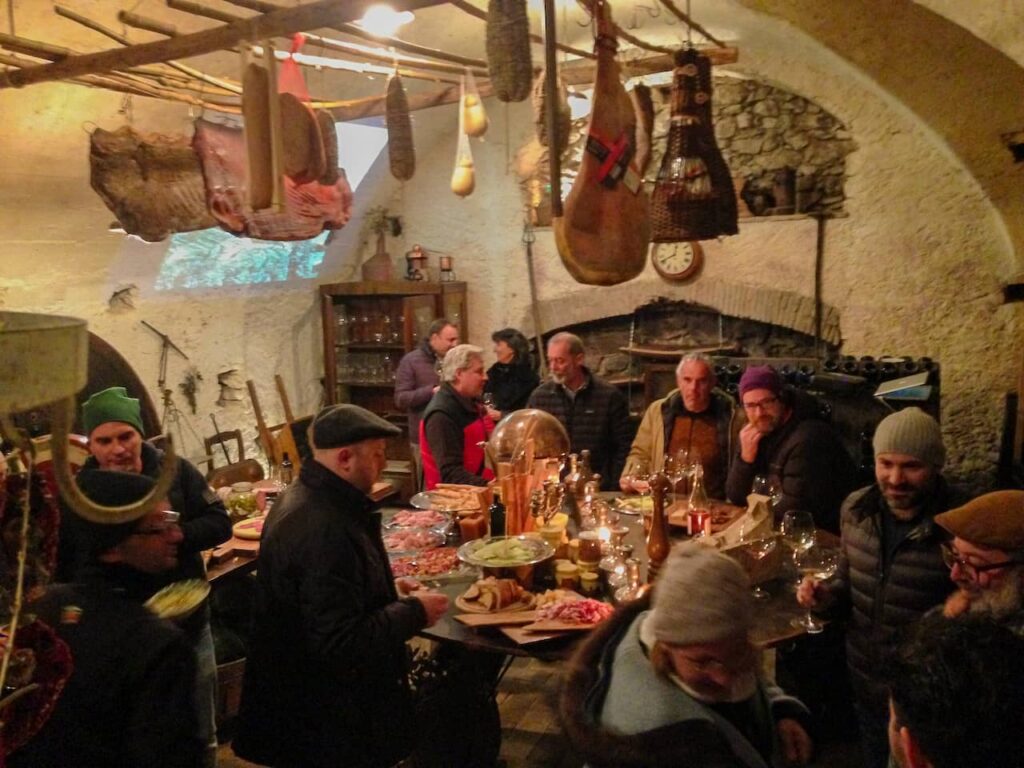
At the foot of the Rocca di Garda, the village of Canevìni is an ancient settlement where it is possible to enjoy an experience that combines geology and food and wine traditions. In the Canevìni, small caves and ravines formerly carved into the rock, you can visit places once used as natural refrigerated rooms, thanks to the air currents created in the heart of the mountain.
The constant temperature and humidity are a gift of nature, exploited over the centuries for food preservation. Today, it is possible to explore these caves no longer with a helmet and headlamp from spelunkers, but with a glass of wine and a cutting board to enjoy the best of local food and wine, transforming these shelters into social places.
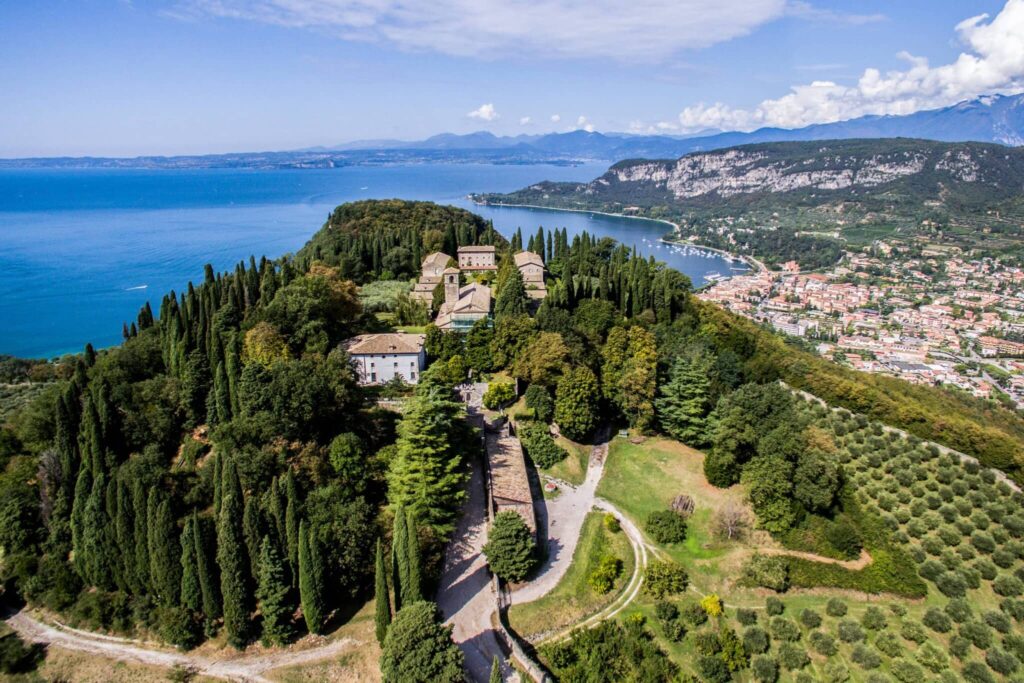
The village is the starting point for reaching the Madonna del Pign and the depression that divides the two peaks above, the so-called “Cavallo delle Rocche”: turning right, one reaches the summit of Ròca Vècia (m 294), which dominates the lake; taking the left path instead, through the woods, one arrives at the entrance gate of Ròca dei Frati (m 305), where the Hermitage of the Camaldolese friars is located.
HERMITAGE OF THE CAMALDOLESE
In 1663 some Camaldolese monks from Mount Rua settled in Garda to oversee the construction of the monastery on this mountain. Soon other monks arrived and the community became a constant presence and an important point of reference for the inhabitants of the entire mid-lake area of Verona.
Napoleon put his own spin on it, and in 1810 suppressed the monastery, which was reborn in the late 1800s when the monks regained their former property. Today the hermitage is spiritually dependent on the Arezzo monastery of Camaldoli, is open for worship and is a haven for those who aspire to meditation and inner peace.
A visit can be an opportunity to purchase herbal teas, cosmetics, liqueurs, oil, jams and chocolates made by the monks or brought here from other monasteries.
MADONNA DEL PIGNO
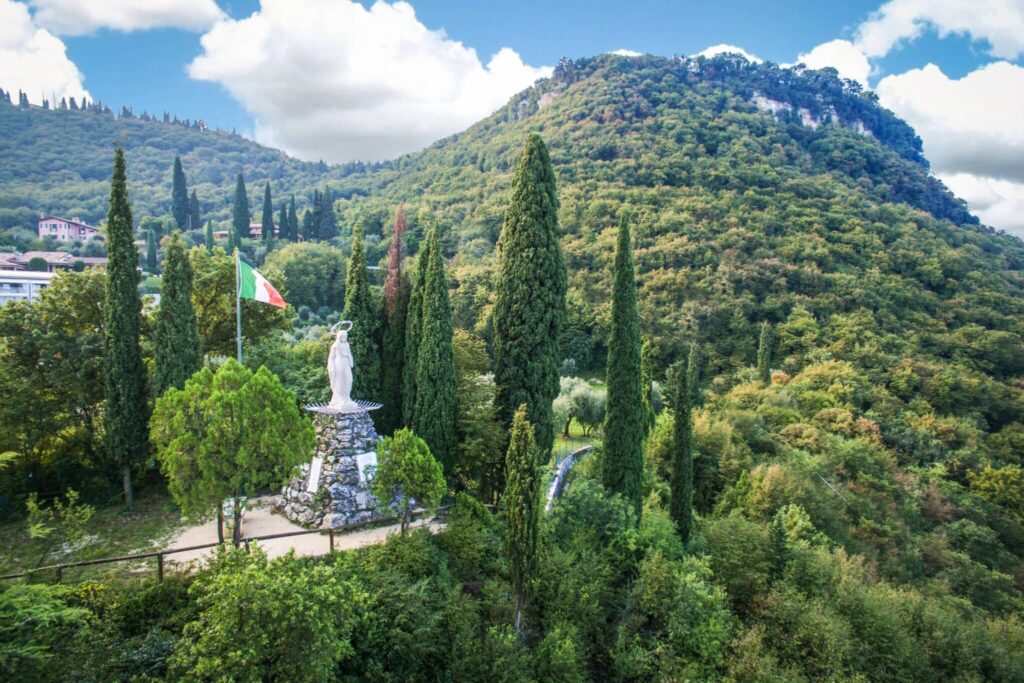
The statue of Our Lady of the Pign, which watches over the village on the slopes of the Rocca, was erected by the citizens of Lake Garda as thanks for saving their town from the bombings of World War I.
MILL VALLEY
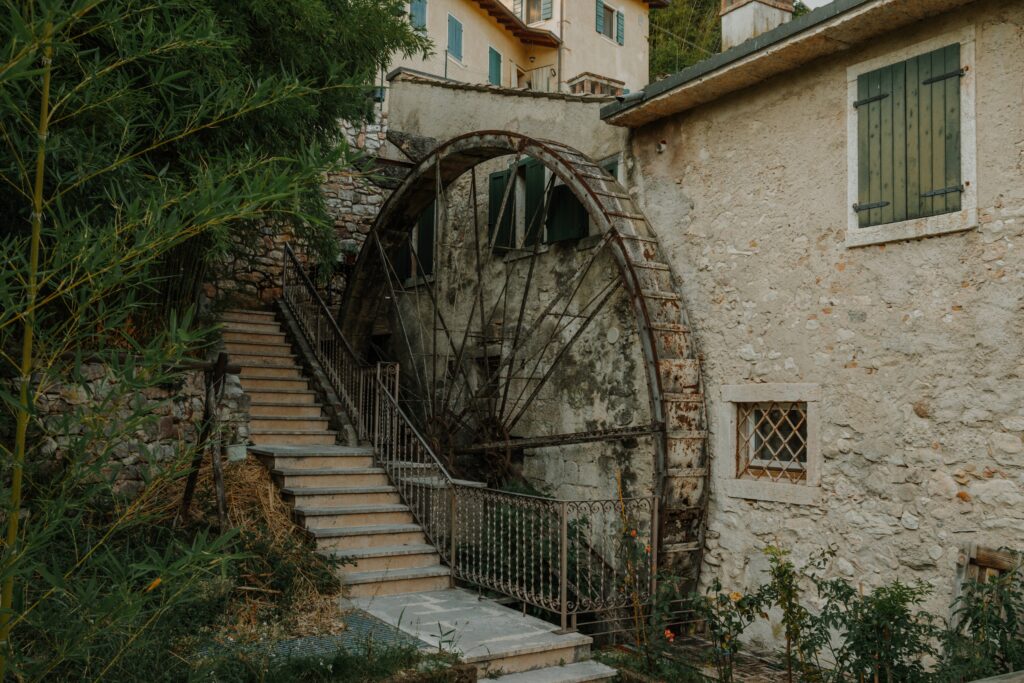
The Valle dei Molini is traversed by a stream that springs from some springs near Castion and in the first part of its course takes on the name Tesina. It is regenerating to immerse oneself in the vegetation made up of the ostrieto, the forest of the Garda hills, with black hornbeams, downy oaks and ash trees.
Discover the history and culture of Garda